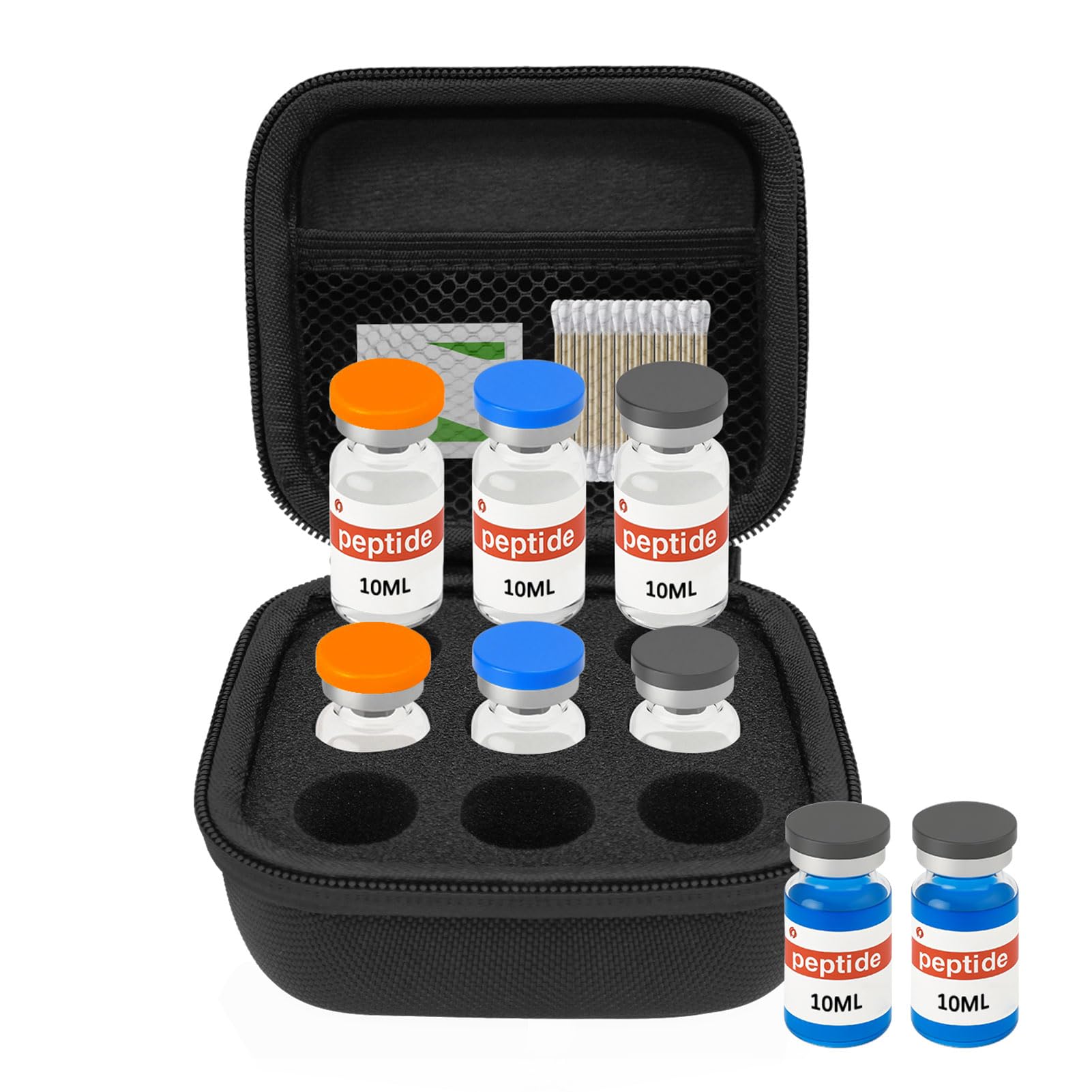
Peptide Pureness Guide 98%, 99% & Research-grade Explained Prg
Recognizing Peptide Pureness: What 99%+ Really Indicates
" Mass spectrometry solutions "is the discovered substance constant with the desired peptide identification? " Together they offer more powerful batch-level evidence than either technique alone. In the common peptide COA context, peak purity typically refers to the percentage of complete chromatogram location represented by the primary peptide peak.
- Paperwork review asks whether the record is batch-specific, deducible, and outlined enough to be examined.
- The pureness of peptides is generally tested using high-performance fluid chromatography (HPLC).
- When you see peptides advertised as "research-grade," it describes their planned use and the degree of making oversight.
Peptide Pureness Levels Described-- What 98%, 99%, And "Research Quality" Actually Mean
Not every application demands 99% pureness, and purification is a substantial part of peptide manufacturing price. Trace quantities of solvents utilized during synthesis and filtration-- acetonitrile, dimethylformamide (DMF), dichloromethane-- can remain in the final product. These are usually existing at really low levels in appropriately produced peptides and are regulated by ICH Q3C standards for acceptable restrictions. If the target peptide's height represent 99.1% of the overall top location, the peptide is reported as 99.1% pure by HPLC. Numerous reputable study peptide distributors utilize third-party laboratories; some conduct internal screening with publication of laboratory qualifications.
Other methods like electrophoresis, capillary electrophoresis (CE), and nuclear magnetic vibration (NMR) can likewise be used to assess peptide framework, charge, and purity, guaranteeing extensive characterization. In COA testimonial, it usually includes HPLC pureness screening, mass spectrometry identification verification, and batch-specific paperwork revealing the evaluated lot, technique, results, and day. For peptide purity testing, reverse-phase HPLC is the typical conceptual design. The chromatographic pureness is after that determined by contrasting the location under the major height with the overall area under all integrated peaks.The injector presents a specific volume of sample into the mobile-phase stream. Consistent injection volume issues since overwhelming the column can widen optimals, misshape purity quotes, or conceal neighboring contaminations. Discover more A solid peptide screening workflow utilizes methods that respond to complementary concerns. The table below is the practical method to think about typical tests when checking out a peptide COA.

How Pureness Is Determined: Hplc Clarified Simply
The table below web links common project objectives to practical logical panels and the type of choices they assist support. Asparagine and glutamine deposits can undergo deamidation, altering the peptide's charge and hydrophobicity. Deamidation is one factor storage space problems matter, especially after a peptide has been reconstituted. Every product we bring is lab-tested and verified by third-party partners, so scientists recognize exactly what they're collaborating with. Peptides containing methionine or cysteine residues are prone to oxidation. Methionine can be oxidized to methionine sulfoxide; cysteine can develop undesirable Protein Science disulfide bonds or be oxidized to sulfinic or sulfonic acid by-products.
The dissolved peptide example is injected right into a stream of liquid solvent (the mobile phase) that streams through a tube loaded with small bits (the stationary phase). Various molecules "stick" to those particles with various strengths, so they travel through the column at different speeds. Refined differences in resources pureness and structure can lead to disparities in the activity of the final product.Conventional Purity (≥ 95%)
High purity is preferable because also tiny contaminants could disrupt speculative results or interpretations. This article will break down just how peptide pureness is determined, why it stands out from peptide identity, what the usual purity degrees (95%, 98%, 99%) represent, and what "research-grade" implies in technique for peptide reagents. Many peptide programs run into logical uncertainty before they stop working medically. We make use of sophisticated reverse-phase HPLC to figure out the purity of customer peptide examples.BOC Sciences, with its durable analytical platform and expert group, focuses on high quality testing solutions for peptide raw materials, peptide microspheres, peptide nanoparticles, and peptide solution preparations. We collaborate with biotech, pharmaceutical, CRO, CDMO, and academic groups on peptide chemical and physical analyses that support research study and non-clinical choice making. Contact us today to review your peptide series, sample status, and analytical objectives.
Trusted labs use tested testing protocols to analyze peptide samples and validate their purity and chemical structure. One core method is High-Performance Fluid Chromatography (HPLC), the gold requirement for assessing peptide pureness. HPLC divides peptide mixtures and can spot also small contaminations listed below 1% of the example [4] A typical lab will certainly run the peptide with an HPLC system and generate a chromatogram-- the major top represents the target peptide, and any type of added heights show other substances. The purity is after that measured as the portion of the primary peak location versus total areas, giving a precise action of how pure the peptide is [2]